
WORLD WAR 3 ALERT? US-Iran Peace Deal FAILS! How High Will Petrol Prices Go?
Join Our WhatsApp Channel for Latest UpdatesThe Sudden Collapse of the US-Iran Ceasefire: Why it Failed and the Looming Economic Crisis
In a shocking turn of events that has sent shockwaves through international diplomatic corridors and global financial markets, the highly publicized US-Iran ceasefire has collapsed entirely in July 2026—just three weeks after it was signed with immense fanfare.
As the United States executes targeted strikes in Golestan and Tehran vows a "crushing" response, the fragile architecture of Middle Eastern peace has disintegrated. For nations heavily dependent on oil imports, such as India, this geopolitical breakdown threatens severe economic repercussions. CareerFlora breaks down the timeline of the collapse, the military maneuvers, and the immediate impact on global energy security.
Latest Verified Information: The Breakdown
The ceasefire, intended to halt proxy skirmishes and secure maritime trade routes, unraveled with stunning speed. According to diplomatic sources, the collapse was triggered by a lethal combination of renewed attacks on commercial shipping in the Strait of Hormuz and intense, hardline domestic political pressure within Tehran.
In direct retaliation for the maritime attacks, which Washington attributed to Iranian-backed forces, the US military launched precision strikes in the Iranian province of Golestan. Iranian authorities have vehemently condemned the strikes, publicly vowing a "crushing" retaliation, putting US military installations across the Middle East on the highest state of alert.
Detailed Explanation: Why the Deal Failed
Foreign policy experts argue that the US administration fundamentally misunderstood the nature of the agreement, confusing a temporary tactical pause with a comprehensive resolution.
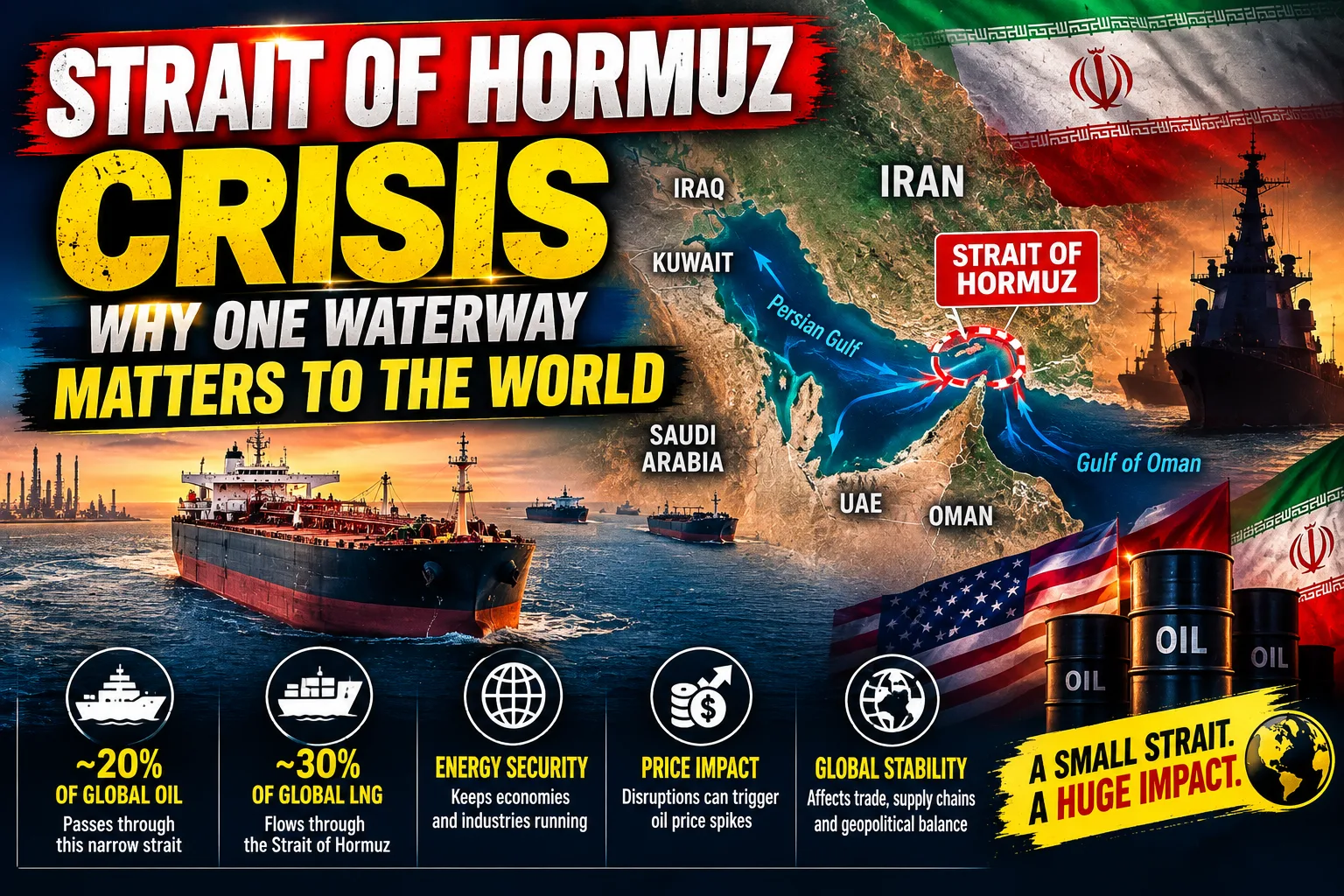
- The Hormuz Factor: The Strait of Hormuz is the world's most critical oil chokepoint. Hardline factions within the Iranian military apparatus view control and disruption of the Strait as their primary leverage against Western sanctions. The ceasefire did not sufficiently address the naval maneuvering in this zone.
- Domestic Politics in Tehran: The Iranian government faces intense pressure from conservative factions who viewed the ceasefire as a capitulation to Western imperialism. To maintain domestic legitimacy, leadership felt compelled to project strength, leading to the resumption of proxy hostilities.
- US Election Cycle Pressures: In Washington, the administration faced harsh bipartisan criticism that the ceasefire was too lenient on Tehran, prompting a swift and aggressive military response the moment the terms were violated.
Important Facts: Economic & Strategic Impact
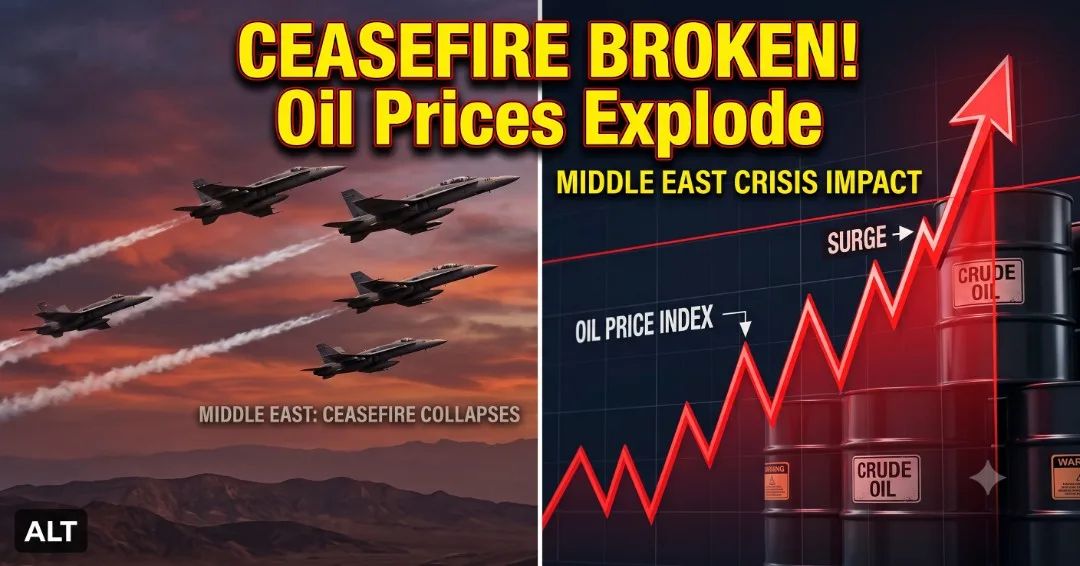
- Oil Market Turbulence: Immediately following the news of the US strikes in Golestan, Brent Crude futures spiked sharply. The threat of a prolonged conflict in the Persian Gulf historically adds a $10-$15 "fear premium" to every barrel of oil.
- India's Energy Security: India imports over 80% of its crude oil requirements. A sustained spike in global oil prices will instantly inflate India's import bill, widen the current account deficit, and exert massive downward pressure on the Rupee.
- Diplomatic Limbo: Despite the military escalation, both Washington and Tehran are nominally maintaining low-level diplomatic contact through intermediaries in Oman and Qatar, attempting to prevent an all-out regional war.
Timeline of the Collapse
- Mid-June 2026: US and Iranian diplomats sign a historic, albeit fragile, ceasefire agreement aiming to de-escalate regional tensions.
- Late June 2026: Intelligence reports indicate unauthorized naval harassment in the Strait of Hormuz.
- First Week of July 2026: Hardliners in Tehran publicly denounce the limitations of the ceasefire.
- July 9-10, 2026: US forces conduct targeted strikes in Golestan; Iran formally declares the ceasefire void and threatens massive retaliation. Oil markets surge.
Expert Analysis: What Happens Next?
Economic analysts warn that if the Strait of Hormuz faces actual blockades, the global economy could tilt into a recession fueled by hyper-inflation. For everyday consumers in India, this geopolitical chess match translates directly to higher petrol and diesel prices at the pump, which in turn drives up the cost of logistics, groceries, and essential goods.
From a geopolitical standpoint, the collapse opens a dangerous vacuum. With the diplomatic architecture of West Asia's peace effort in ruins, regional powers like Saudi Arabia and Israel will likely increase their own military readiness, creating a highly volatile multi-front powder keg.
FAQs
Q: Why is the Strait of Hormuz so important?
A: Approximately 20% to 30% of the world's total global oil consumption passes through the Strait of Hormuz. Any disruption there immediately throttles the global energy supply.
Q: Will petrol prices increase in India due to this?
A: If crude oil prices remain elevated due to this conflict, Indian Oil Marketing Companies (OMCs) will eventually have to pass the increased costs to consumers, leading to higher fuel prices.
Q: Are the US and Iran officially at war?
A: No. Currently, the situation is classified as a severe military escalation and a collapse of a diplomatic treaty, but neither side has made a formal declaration of war.
Conclusion
The collapse of the US-Iran ceasefire in July 2026 is a stark reminder of the immense fragility of Middle Eastern geopolitics. As military posturing takes precedence over diplomacy, the global economy braces for the shockwaves of surging energy costs. Professionals in finance, logistics, and international trade must monitor this situation closely. Stay engaged with CareerFlora for continuous updates on how global geopolitics affect your economy and career landscape.