
Manila Clam Spreading Along the Atlantic Coastline: Scientists Confirm a Major Marine Discovery
Join Our WhatsApp Channel for Latest UpdatesManila Clam Spreading Along the Atlantic Coastline: What Scientists Have Discovered
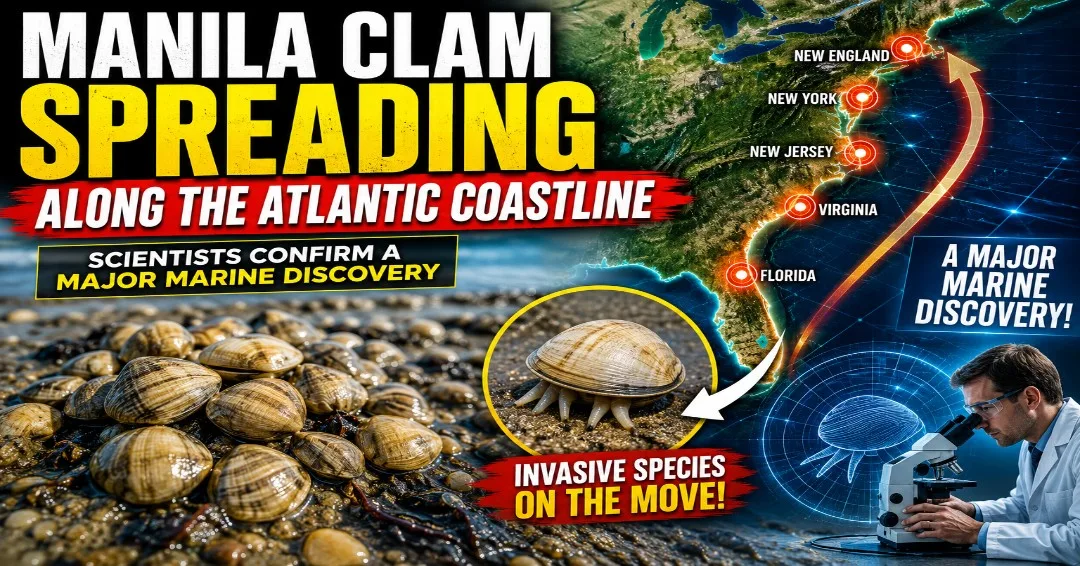
Scientists have confirmed that the invasive Manila clam has established breeding populations along the northwestern Atlantic coastline, marking a significant milestone in marine ecology and raising new questions about the future of coastal ecosystems.
What Is the Manila Clam?
The Manila clam (Ruditapes philippinarum) is a shellfish species native to waters surrounding Japan, China, and Russia. It is one of the world's most commercially valuable clams and supports a global seafood industry worth billions of dollars.
Because of its popularity in aquaculture and seafood markets, the species has spread far beyond its natural habitat over the past century, either intentionally for farming or accidentally through shipping and other human activities.
Why Is "Manila Clam" Trending Today?
The topic is trending after scientists confirmed that the species has successfully established breeding populations along the northwestern Atlantic coastline, making it the last major Northern Hemisphere coastline where Manila clams had not previously become established.
Researchers discovered:
- Live adult Manila clams
- Juvenile clams
- Evidence of successful reproduction
- Multiple established populations
These findings suggest the species is no longer an occasional visitor—it has become part of the local marine ecosystem.
Where Were the Clams Found?
Researchers documented established populations in several locations around Massachusetts, including areas near Boston Harbor and Cape Cod.
The discovery followed reports from local shellfish harvesters and subsequent scientific investigations that confirmed live breeding populations.
Why Does This Discovery Matter?
The arrival of a new marine species can have significant ecological consequences.
Scientists are now studying whether Manila clams will:
- Compete with native shellfish
- Alter local food chains
- Change biodiversity
- Affect commercial shellfish harvesting
- Influence coastal ecosystems
Because the species has successfully reproduced, researchers believe it may continue expanding along the Atlantic coast.
Potential Benefits
Although Manila clams are classified as an invasive species, researchers note that the story is not entirely negative.
Possible benefits include:
- A new food source for seabirds
- Additional prey for crabs and marine animals
- Potential commercial seafood opportunities
- Reduced pressure on some native shellfish species
Scientists emphasize that more research is needed before drawing long-term conclusions.
Possible Environmental Risks
Like many invasive species, Manila clams may also create challenges.
Potential concerns include:
- Competition with native shellfish
- Changes to marine habitats
- Hybridization with related species
- Impacts on biodiversity
- Long-term ecosystem changes
The full ecological effects remain uncertain and are now the subject of ongoing research.
What Scientists Are Doing Next
Researchers from UMass Amherst, MIT Sea Grant, and partner organizations are continuing to monitor:
- Population growth
- Geographic spread
- Reproduction rates
- Ecological impacts
- Effects on fisheries
Their goal is to understand whether the species becomes a minor addition to the ecosystem or a more influential ecological presence.
Frequently Asked Questions
What is the Manila clam?
The Manila clam is a commercially important shellfish species native to East Asia.
Why is Manila clam trending?
Scientists recently confirmed that the species has established breeding populations along the northwestern Atlantic coastline.
Is the Manila clam invasive?
Yes. Outside its native range, it is generally considered an invasive species because it can spread and interact with native ecosystems.
Where has it been found?
Researchers confirmed established populations in parts of Massachusetts, including areas near Boston Harbor and Cape Cod.
Is this good or bad for the environment?
Scientists say the answer is not yet clear. The species could provide ecological and economic benefits while also creating challenges for native species and habitats. More research is underway.
Final Thoughts
The confirmation of Manila clams along the Atlantic coastline marks an important moment in marine science. It represents the first established breeding population of the species in the region and opens a new chapter for researchers studying invasive marine life.
While the discovery may create new opportunities for fisheries and marine biodiversity, it also raises important questions about ecosystem balance, conservation, and the long-term health of Atlantic coastal waters. As scientists continue monitoring the spread of the species, their findings will help determine how this new arrival shapes the future of one of the world's most important marine environments