World Organ Donation Day 2026: Date, Significance, Myths & How to Pledge
Join Our WhatsApp Channel for Latest UpdatesWorld Organ Donation Day 2026: Everything You Need to Know
What the Day Marks
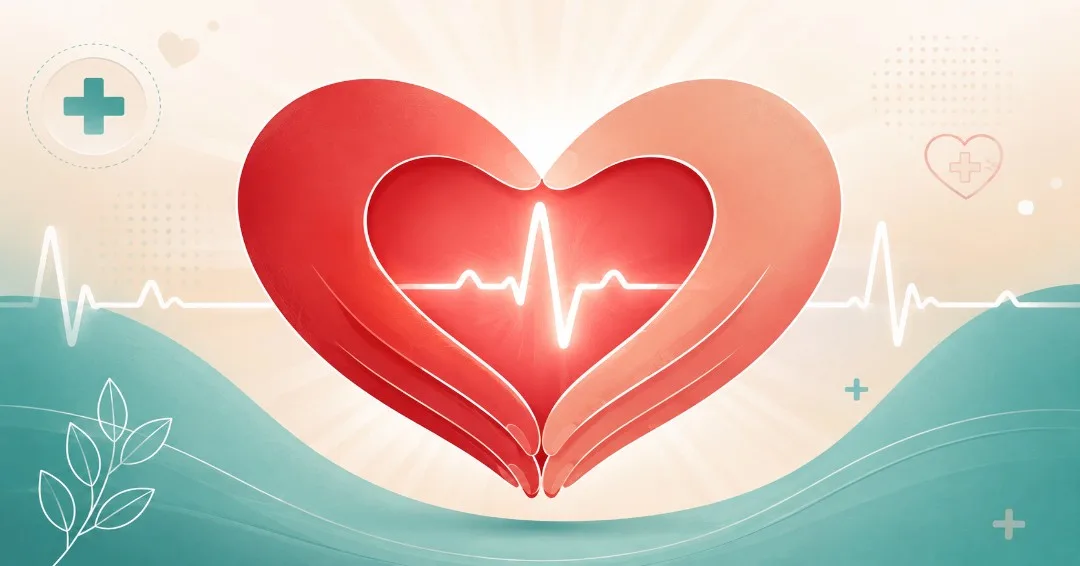
World Organ Donation Day is observed every year on August 13, dedicated to raising awareness about organ and tissue donation and encouraging more people to register as donors. The observance also honours donors and their families, and pushes back against the misconceptions that still keep many people from pledging. Sources differ on whether an official global theme has been confirmed for 2026 — several note that no theme had been formally announced at the time of writing, while others reference the phrase "Hope begins with one thoughtful decision" circulating around this year's observance. Either way, the underlying message stays consistent year to year: a single decision to donate can change, or save, multiple lives.
It's worth distinguishing this from India's own National Organ Donation Day, which is a separate observance held on August 3, commemorating the country's first successful deceased-donor heart transplant, performed on that date in 1994. India's national day was originally marked on November 27 before shifting to August 3 in 2023.
Why the Day Exists
The core problem this day exists to address hasn't really changed in decades: the demand for donor organs still far outstrips the supply. Patients with severe heart, kidney, liver, or lung failure often have no path to recovery other than a transplant, and every year, a significant number of people on waiting lists die before a suitable organ becomes available. Awareness campaigns like this one are aimed less at the mechanics of surgery and more at getting ordinary people to make a decision — and, just as importantly, to actually tell their families about it, since family consent plays a major role in whether a pledge is ever honoured.
How Organ Donation Actually Works in India
For anyone in India considering a pledge, it helps to understand what really happens after the decision is made. Organ donation and transplantation are governed by the Transplantation of Human Organs and Tissues Act (THOTA), 1994, and coordinated nationally by the National Organ and Tissue Transplant Organisation (NOTTO), working alongside regional and state-level networks.
A crucial point that often gets lost: pledging to donate is only an expression of intent. It does not mean organs are automatically retrieved after death. In the case of deceased donation, the process typically involves a formal certification of brain-stem death by a medical team, followed by a conversation with the family to confirm consent, before organ retrieval, allocation, and transplantation can proceed through NOTTO's coordinated system. Family involvement isn't just a formality — it's a decisive part of whether a person's wishes are ultimately carried out.
India has recorded more than 5 lakh organ donation pledges to date, a sign of steadily growing public awareness. In terms of transplant volume, India performs a substantial share of the world's total transplants, with kidney transplants making up the large majority of procedures, followed by liver, heart, lung, pancreas, and small bowel transplants, in that order. Even so, the share of transplants coming from deceased donors remains relatively small compared to living donors, which is part of why deceased-donor awareness remains such a persistent focus of these campaigns.
Myths That Still Hold People Back
A lot of hesitation around organ donation comes down to misinformation rather than genuine ethical objection. A few of the most common misconceptions this day tries to correct:
- "Doctors won't try as hard to save me if I'm a registered donor." This isn't how the process works — medical teams treating a patient are entirely separate from transplant teams, and donor status has no bearing on the effort put into saving a patient's life.
- "I'm too old, or not healthy enough, to donate." Eligibility is generally assessed at the time of death based on organ condition, not a blanket age cutoff — many older individuals are still viable donors for specific organs or tissues.
- "My religion prohibits organ donation." Most major religious traditions support or permit organ donation as an act of charity, though individuals are always encouraged to consult their own faith leaders if they have concerns.
- "Registering as a donor guarantees my organs will be used." In reality, only a small fraction of deaths occur under the specific medical circumstances that make organ donation possible, which is part of why the gap between pledges and actual donations remains wide.
- "Donation disfigures the body, affecting funeral arrangements." Organ retrieval is carried out with the same surgical care and respect as any operation, and open-casket funerals remain possible in the vast majority of cases.
The Real Impact of a Single Decision
The scale of impact from one donor is genuinely striking: a single deceased donor can potentially save up to eight lives through organ donation, and help many more through tissue donation, including corneas, skin, and bone. For patients with end-stage organ failure, a transplant isn't simply a treatment — it's often the only route back to a meaningful quality of life, and in many cases, the only thing standing between them and a terminal prognosis.
What You Can Actually Do Today
If this day prompts you to act rather than just read about it, a few concrete steps matter more than others:
- Register your pledge through NOTTO's official portal or your country's equivalent national registry, rather than relying on informal or unofficial pledge cards.
- Talk to your family explicitly. Since consent from next of kin plays such a central role in deceased donation, simply registering isn't enough — your family needs to know and understand your wishes.
- Verify facts through official or medical sources rather than assuming details you've heard secondhand, particularly around religious permissibility or medical eligibility.
- Share accurate information, not just awareness slogans, since misinformation is one of the biggest quiet barriers to higher donation rates.
The Bottom Line
World Organ Donation Day, observed every August 13, exists to close a very real gap between how many people need a transplant and how many organs are actually available — a gap that's driven less by scarcity of goodwill and more by persistent myths, unclear processes, and pledges that families never hear about. The single most useful thing this day can prompt isn't a slogan or a social post; it's an actual conversation with your family about what you'd want, backed by an official pledge that ensures your decision is more than just a private intention.
If you're considering organ donation, consult official resources such as NOTTO (in India) or your national health authority for accurate, up-to-date guidance on registration and eligibility.